
For many, the biannual visit to the dentist is viewed as a routine chore—a quick scan for cavities and a professional cleaning before returning to daily life. However, in 2026, the landscape of oral healthcare has shifted dramatically. We now understand that the mouth is not an isolated system; it is the primary gateway to the rest of the body. A professional dental checkup today is a sophisticated diagnostic event that bridges the gap between oral hygiene and systemic health.
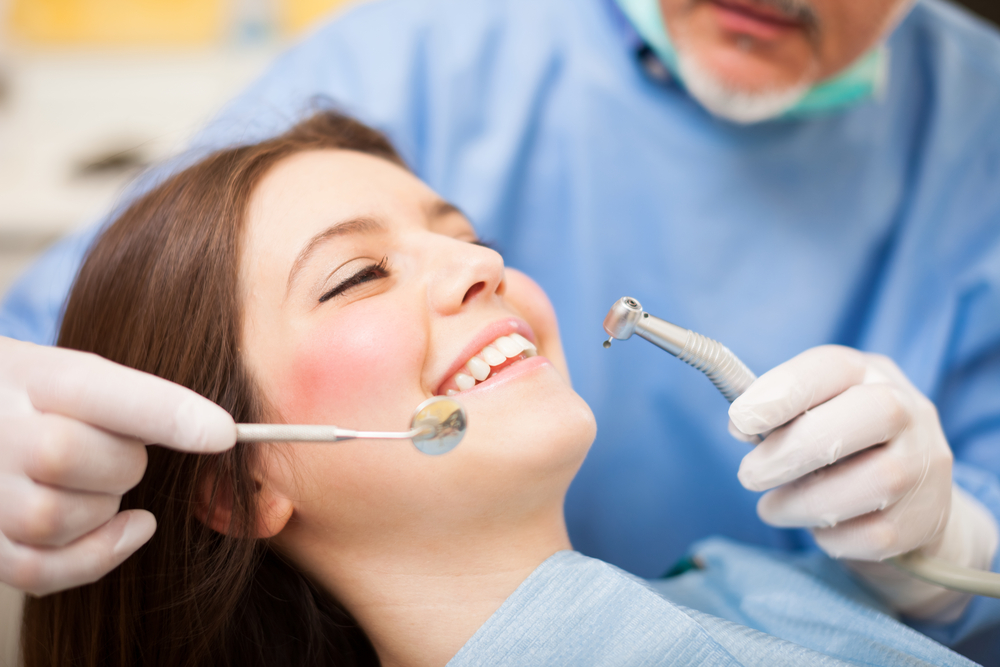
Understanding what happens during a modern checkup can transform dental anxiety into proactive empowerment. This article explores the intricate steps of a professional dental examination, the technology behind the chair, and why these visits are the foundation of long-term vitality.
The Comprehensive Oral Health Assessment
A modern dental checkup is a multi-layered process that goes far beyond a simple visual inspection. It begins with a comprehensive review of your medical history, as many systemic conditions—such as diabetes, cardiovascular disease, and even certain autoimmune disorders—first manifest symptoms within the oral cavity.
The dentist performs an extra-oral and intra-oral exam. The extra-oral phase involves checking the jaw joints (TMJ) and lymph nodes for any signs of swelling or dysfunction. Internally, the dentist isn’t just looking for tooth decay. They are inspecting the soft tissues, the tongue, and the roof of the mouth for any abnormalities. This includes an oral cancer screening, which is perhaps the most critical part of the visit. Early detection of oral lesions is vital, and modern dentists use specialized light-fluorescence technology to see changes in tissue that are invisible to the naked eye.
The Science of Periodontal Mapping
One of the most essential aspects of the checkup is the assessment of the gums, known as periodontal probing. Your dentist or dental hygienist uses a small instrument to measure the “pocket depth” between your teeth and your gums.
Healthy gums typically have pocket depths of one to three millimeters. Measurements beyond this can indicate the early stages of gingivitis or the more serious periodontitis. This mapping is crucial because gum disease is a chronic inflammatory condition. Research has shown that the bacteria responsible for periodontal disease can enter the bloodstream, contributing to arterial inflammation and increasing the risk of heart complications. By monitoring these depths twice a year, the dental team can intervene with deep cleaning or localized therapy before bone loss occurs.
Advanced Diagnostic Imaging: Beyond Traditional X-rays
In 2026, the “bite-wing” X-ray has been joined by more advanced diagnostic tools. Digital radiography has significantly reduced radiation exposure, but the real breakthrough lies in 3D imaging and AI integration.
- CBCT Scans: Cone Beam Computed Tomography provides a three-dimensional view of the teeth, bone, and nerve pathways. This is especially useful for planning treatments or identifying “hidden” infections at the root tip that a flat 2D image might miss.
- Intraoral Scanners: Many modern practices have replaced messy physical molds with digital wand scanners. These create a precise 3D map of your bite, allowing the dentist to track “tooth wear” over several years—a vital tool for identifying nocturnal grinding (bruxism).
- AI Diagnostics: Sophisticated software now assists dentists in reading scans. AI can highlight microscopic areas of demineralization, allowing for “preventative filling” or remineralization treatments that can actually heal a cavity before a drill is ever needed.
The Professional Prophylaxis: More Than a Cleaning
The “cleaning” portion of the checkup, officially called prophylaxis, is where the heavy lifting happens. Even with perfect brushing and flossing at home, a sticky film called biofilm (plaque) eventually hardens into tartar (calculus). Once plaque calcifies into tartar, it cannot be removed by a toothbrush; it requires professional scaling.
Modern prophylaxis often utilizes “Airflow” technology—a pressurized spray of water, air, and fine powder that removes stains and biofilm more comfortably and effectively than traditional scraping. This process not only leaves the teeth feeling smooth but also removes the bacterial colonies that cause chronic bad breath and systemic inflammation.
The Patient-Provider Partnership
The final phase of the checkup is the consultation. This is a collaborative effort where the dentist interprets the data collected and translates it into a personalized home-care plan. In 2026, this often includes nutritional counseling. Dentists now discuss the impact of “acid wear” from sparkling waters or the benefits of xylitol in preventing bacterial growth.
This is also the time to address the “why” behind any discomfort. Whether it is sensitivity to cold or a clicking jaw, these symptoms are the body’s way of signaling an imbalance. A checkup is the environment where these signals are decoded and addressed before they become emergencies.
Conclusion
A dental checkup in 2026 is a masterclass in preventative medicine. It is a vital check-point that ensures the integrity of your smile and the health of your entire body. By moving away from a “drill and fill” mindset and embracing the comprehensive diagnostic power of modern dentistry, patients can enjoy a lifetime of functional, beautiful smiles.
The best time to visit the dentist is when nothing hurts. Regular checkups are the ultimate insurance policy against complex procedures and systemic health issues. By prioritizing these biannual visits, you aren’t just taking care of your teeth; you are investing in your total well-being. Your mouth is the mirror of your health—keep it bright, keep it healthy, and keep checking in.