
The landscape of women’s health has undergone a revolutionary shift in recent years. We have moved away from a “one-size-fits-all” medical model and toward a paradigm of personalized, proactive, and holistic care. In 2026, being a healthy woman is no longer just about the absence of illness; it is about understanding the intricate dance of hormones. The importance of metabolic resilience, and the power of mental well-being across every stage of life.
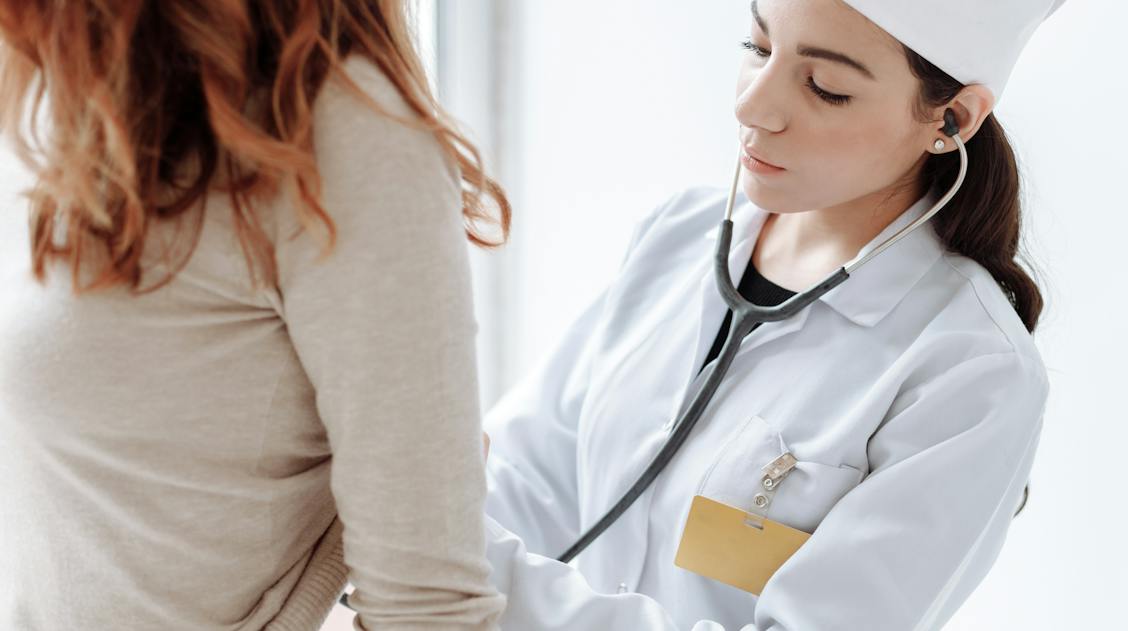
From the nuances of the menstrual cycle to the complexities of the menopausal transition. Women are now more empowered than ever with data and specialized care. This article explores the essential pillars of women’s health today. Offering insights into how modern science and lifestyle choices can foster long-term vitality.
The Hormonal Symphony: Understanding the Menstrual Cycle
For decades, the menstrual cycle was often viewed merely through the lens of fertility. In 2026, it is recognized as a “fifth vital sign,” providing critical data about a woman’s overall health. Understanding the four phases of the cycle—menstrual, follicular, ovulatory, and luteal—is the key to “cycle syncing,” a method where women align their nutrition, exercise, and work commitments with their hormonal fluctuations.
During the follicular phase, rising estrogen levels often lead to increased energy and cognitive clarity, making it an ideal time for high-intensity workouts and complex projects. Conversely, the luteal phase sees a rise in progesterone, which can shift the body toward a more restorative state. By honoring these natural rhythms rather than fighting against them. Women can reduce symptoms of PMS, improve mood stability, and optimize their physical performance.
Bone Health and the Silent Strength of Resistance Training
One of the most critical, yet often overlooked, aspects of women’s health is skeletal integrity. Women are statistically at a higher risk for osteoporosis, particularly as they approach the post-menopausal years and estrogen levels decline.
In 2026, the medical community has placed a renewed emphasis on “mechanical loading” through resistance training. Lifting weights is no longer just for athletes; it is a fundamental medical intervention for women of all ages. High-impact movement and strength training stimulate osteoblasts—the cells responsible for bone formation. Ensuring that bone density is built during youth and preserved during middle age. Coupled with adequate intake of Vitamin D3, Vitamin K2, and Calcium, a consistent strength routine is the best insurance policy against future fractures and mobility issues.
The Gut-Hormone Connection: The Estrobolome
A groundbreaking area of research in 2026 is the “estrobolome”—a specific collection of bacteria in the gut microbiome dedicated to metabolizing and eliminating estrogen. When the gut is unhealthy, estrogen that should be excreted can be reabsorbed into the bloodstream, leading to hormonal imbalances such as estrogen dominance.
Maintaining a healthy estrobolome requires a diet rich in fiber and cruciferous vegetables like broccoli, kale. And cauliflower, which contain compounds that aid in estrogen detoxification. Furthermore, the modern woman’s health plan now prioritizes the reduction of “endocrine disruptors”—chemicals found in certain plastics and personal care products that can mimic hormones and interfere with the delicate microbial balance in the gut.
Mental Health and the Power of Nervous System Regulation
Women often juggle multiple roles, leading to unique stressors that can impact the nervous system. In 2026, mental health is treated with the same clinical rigor as physical health. We have moved beyond simple “self-care” and into the realm of active nervous system regulation.
Chronic stress triggers the persistent release of cortisol, which can disrupt thyroid function and metabolic health. Techniques such as box breathing, somatic experiencing, and mindful meditation have become mainstream tools for moving the body from a “fight or flight” state into “rest and digest.” Protecting the “mental load”—the invisible labor of planning. And managing a household—is now recognized as a vital component of preventing burnout and maintaining long-term psychological resilience.
Navigating the Menopausal Transition
Perhaps the most significant cultural shift in women’s health this year is the open, evidence-based conversation surrounding perimenopause and menopause. No longer a “taboo” subject, this transition is now managed with a blend of lifestyle modifications and modern Hormone Replacement Therapy (HRT).
Advancements in “bio-identical” hormones have allowed for a more nuanced approach to managing symptoms like hot flashes, brain fog, and sleep disturbances. By addressing these changes early in the perimenopausal phase (which can begin in a woman’s late 30s or early 40s). Women can protect their cardiovascular health and cognitive function, ensuring that the second half of life is as vibrant and productive as the first.
Preventative Screening and Precision Medicine
In 2026, preventative care is hyper-personalized. Standard screenings like Pap smears and mammograms have been enhanced by genomic testing. Many women now opt for “liquid biopsies” or genetic mapping to understand their predisposition to certain conditions. Allowing for highly targeted preventative strategies.
Regular blood panels now go deeper, monitoring inflammatory markers and fasting insulin levels to catch metabolic dysfunction years before it becomes a clinical issue. This proactive approach ensures that every woman has a clear, data-driven map of her unique health journey.
Conclusion
Women’s health in 2026 is a celebration of the complex and beautiful biological systems that define femininity. It is an era where women are encouraged to listen to their bodies, utilize the best of modern technology, and advocate for their own well-being. By focusing on hormonal harmony, bone strength, gut health, and emotional resilience, women can navigate every decade with grace and power.
True wellness is an ongoing conversation between your lifestyle and your biology. As you embrace these modern pillars of health, remember that your body is your greatest advocate. Stay informed, stay proactive, and celebrate the incredible vitality that comes from taking charge of your health. The future of women’s wellness is bright, personalized, and entirely in your hands.